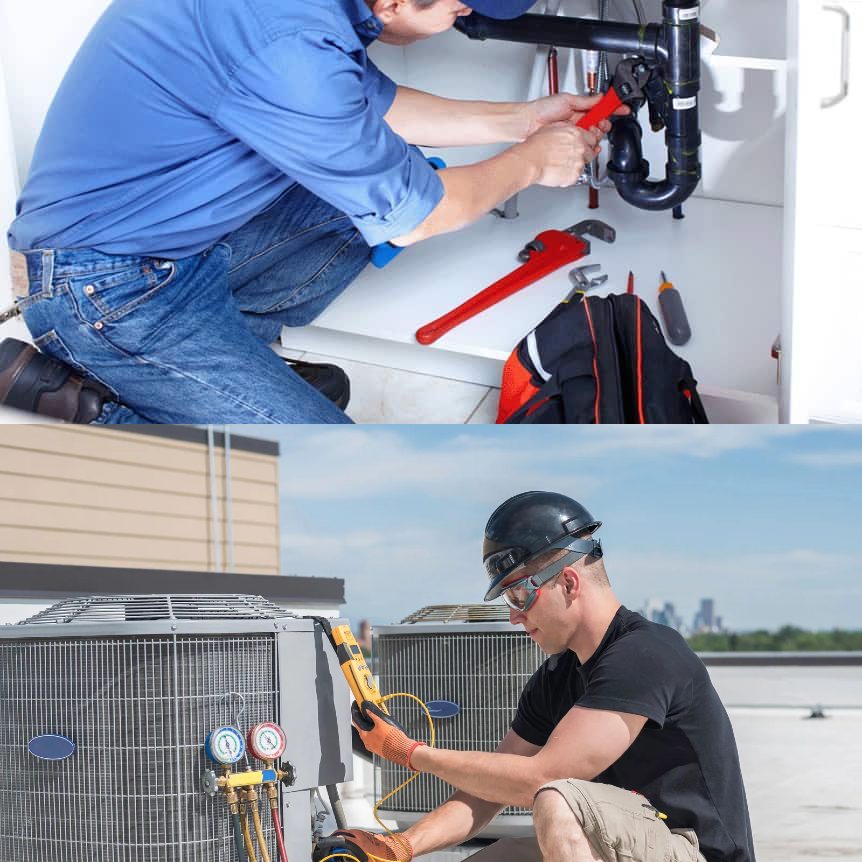
The HVAC (heating, ventilation, and air conditioning) and plumbing systems in your home play a crucial role in maintaining comfort and functionality. They regulate your indoor climate and ensure a reliable water supply for everyday needs. However, like all systems, they can age or falter over time. Identifying potential issues early on can help you avoid expensive repairs or unexpected emergencies in the future. Here are the top five signs your home might need HVAC or plumbing upgrades.
Inconsistent or Inefficient Heating and Cooling
Uneven temperatures in different areas of your home are a strong sign that your HVAC system may require an upgrade. If certain rooms are always too hot in summer or too cold in winter, your system might be struggling to maintain balance. This can occur for a variety of reasons, including outdated equipment that has lost its efficiency over time.
- Improper sizing of the HVAC system for your home.
- Ductwork issues such as leaks or blockages.
An increase in energy bills without any major changes in usage indicates that your HVAC system may be overexerting itself to maintain a comfortable environment. Switching to a modern, energy-efficient system can help stabilize indoor temperatures while also lowering utility expenses.
Frequent HVAC or Plumbing Repairs
If you find yourself frequently needing the services of a technician or plumber, it may be a sign that an upgrade is necessary. Frequent breakdowns indicate that your systems are nearing the end of their lifespan. Common signs include:
- Regularly replacing components like thermostats, compressors, or fan motors in your HVAC system.
- Constantly fixing leaks, clogs, or burst pipes in your plumbing.
While repairs can temporarily fix the issue, the cumulative cost of frequent maintenance can outweigh the price of a full replacement. Upgrading provides peace of mind and ensures reliability.
Outdated Systems and Technology
Homes with systems over 10–15 years old are likely operating below modern efficiency and performance standards. Older HVAC units, for example, may use outdated refrigerants like R-22, which is being phased out due to environmental concerns. Likewise, older plumbing materials such as galvanized steel pipes are susceptible to corrosion, which can compromise water quality.
Modern alternatives offer significant advantages:
- HVAC systems designed for energy efficiency can lower energy usage by as much as 30%.
- Modern plumbing materials, such as PEX or copper, offer greater durability and are less prone to leaks.
- Smart thermostats and leak detection systems provide better control and early warnings.
Investing in newer systems ensures compliance with current standards, improves efficiency, and enhances overall home value.
Poor Indoor Air or Water Quality
Your HVAC and plumbing systems significantly impact the air you breathe and the water you use. If you notice issues such as:
- Persistent dust or allergens in the air despite regular cleaning.
- Unusual odors, mold growth, or excessive humidity.
- Cloudy, discolored, or foul-smelling tap water.
These are red flags that your systems may not be functioning correctly. HVAC problems can stem from dirty filters, clogged ducts, or a failing ventilation system. Plumbing issues may be due to pipe corrosion, sediment buildup in water heaters, or poor water pressure.
Upgrades like whole-home air purifiers or water filtration systems can drastically improve the quality of air and water in your home, enhancing your health and comfort.
Insufficient Capacity for Modern Needs
Lifestyle changes can put additional strain on your HVAC and plumbing systems. For example:
- Expanding your home with new rooms or adding an extra bathroom increases demand on existing systems.
- Installing water-intensive appliances, such as dishwashers or high-efficiency washing machines, can overwork old plumbing setups.
- Hosting more occupants or using HVAC systems more frequently strains their capacity.
If your current systems aren’t designed to handle these changes, they may break down prematurely or fail to perform effectively. Upgrading ensures your home systems align with your current and future needs.
Benefits of Upgrading Your Systems
Taking proactive steps to address these signs can bring significant advantages:
- Energy Efficiency: Modern HVAC systems and plumbing solutions are designed to minimize energy and water wastage, lowering monthly bills.
- Comfort and Convenience: Upgrades restore your home’s comfort and ensure a steady supply of clean water and air.
- Increased Property Value: Homes with updated systems are more attractive to buyers and may fetch higher resale prices.
- Environmental Impact: Eco-friendly upgrades reduce your carbon footprint, contributing to a more sustainable future.
When to Call a Professional
While minor issues like replacing an air filter or unclogging a drain can be tackled by homeowners, larger problems require professional assessment. Certified HVAC technicians and plumbers can evaluate your systems, recommend suitable upgrades, and ensure installations are done correctly.
When hiring a professional, look for:
- Proper licensing and certifications.
- Positive customer reviews and testimonials.
- Clear estimates and warranties for services.
Conclusion
Your plumbing and HVAC systems are essential for ensuring your home remains safe, comfortable, and energy-efficient. By recognizing these top five signs, you can take the necessary steps to upgrade before small problems escalate into major headaches. Whether it’s improving energy efficiency, enhancing water quality, or meeting growing household demands, investing in modern systems ensures your home remains a haven for years to come.